

In dentistry, the learning never really stops. Every year brings new techniques, advanced materials, and changing patient expectations. Continuing education (CE) helps dentists keep up with these developments while gaining skills that directly improve patient care. The right courses can strengthen your expertise, build your confidence, and expand the treatments you offer.
Assess Your Current Situation and Career Goals
The first step in choosing the right CE is knowing exactly where you stand. Take a clear, honest look at your current professional situation:
- What procedures do you perform most often?
- Which ones would you like to do more?
- Where do you feel most confident, and where do you still hesitate?
Defining your professional objectives is about turning vague ideas into actionable targets. Maybe you’ve been wanting to expand into implant dentistry but never had the chance to focus on it.
Or perhaps you’d like to take on more complex cosmetic cases but feel your skills need strengthening. Dental continuing education can be a direct path to filling those gaps and helping you grow into the kind of dentist you aspire to be.
For example, your focus might be on:
- Strengthening core clinical skills you don’t use daily but still need to master.
- Learning advanced procedures to expand the services you can offer.
- Improving efficiency in patient care, from diagnosis to follow-up.
- Enhancing communication skills for better treatment acceptance.
Once you have a clearer view of your priorities, weigh them against your career goals and the needs of your practice. CE becomes far more valuable when it’s chosen with intention rather than at random.
It’s also worth speaking with colleagues, mentors, or even your team to get an outside perspective. They might notice areas where your growth could create a bigger impact for both your patients and your practice.

Explore Continuing Education Options
Exploring continuing education can help you discover what truly supports your growth as a dental professional. It’s not always clear which direction will deliver the most value until you’ve looked closely at different learning experiences. For instance, enrolling in dental implant training might reveal techniques or perspectives you hadn’t considered, even if implants aren’t your main focus right now.
Think about areas of dentistry that spark your interest or present recurring challenges in your daily work. Then, look for courses that not only address those needs but also push you to expand your expertise in new directions. This approach ensures that every program you take contributes meaningfully to your skills, confidence, and the quality of care you provide.
Factors to Consider When Choosing a Program
The right program should match your specific focus. For example, if you’re looking into bone grafting CE courses, you’ll want to check how much hands-on training is offered, the expertise of instructors, and whether the curriculum is up to date with current practices. Each area of study will have its own requirements, so it’s worth weighing these details carefully to make sure the program supports your career goals.
Selecting a program can influence your career in ways you might not expect. It’s worth taking time to look beyond the obvious and think about what will serve you best in the long run. This step is less about speed and more about making sure every aspect supports your career plans.
- Evaluate Course Format and Learning Style
Not all learners thrive in the same environment. Some excel in structured classrooms with peer interaction, while others learn better by reviewing materials on their own time.Think about when and how you learn best. Do you prefer concentrated bursts of training, or do you retain more when lessons are spread out over several weeks? - Consider Faculty Expertise and Credentials
A course is only as strong as the people teaching it. Look into the instructors’ backgrounds. Are they actively practicing? Do they publish research or present at conferences? The best faculty combine strong academic knowledge with real-world experience, offering both theory and practical insight. - Hands-On vs. Online Learning Opportunities
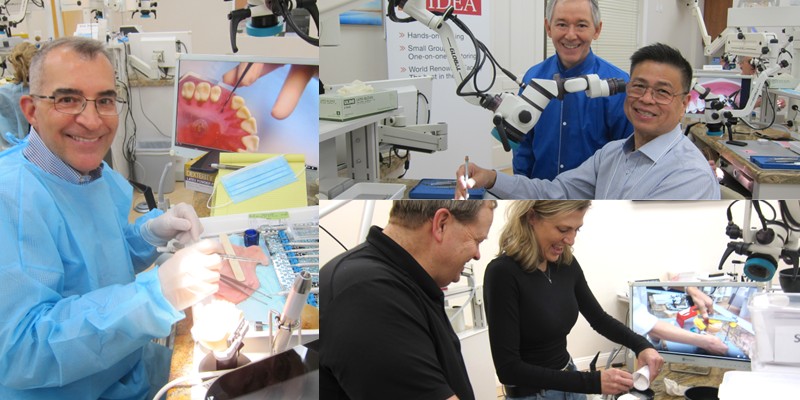
Some skills simply can’t be mastered by watching videos alone. Procedures that require fine motor skills, such as veneers, endodontics, or surgical extractions, benefit from in-person training. That said, online modules are a great way to learn foundational concepts before practicing them in person, but online studying cannot replace hands-on training for gaining a deep understanding of procedures and developing better manual skills to achieve them. - Review Program Structure and Time Commitment
Before enrolling, check the course schedule and workload. Self-paced programs may work if your schedule is unpredictable. However, to accumulate knowledge and gain profound competence, nothing can replace personal, on-site education. Hands-on dental training over multiple days is the gold standard to build up your practice and to provide a higher level of patient care. - Factor in Accreditation and CE Credits
Accredited programs ensure your effort is recognized by licensing boards and professional associations. If you’re close to your renewal deadline, it’s especially important to choose courses that provide the CE credits you need; otherwise, you might end up doubling your workload later. However, based on a survey of dentists, the main reason for attending accredited programs is to continue to follow advancement in dentistry, developments of technology, and to keep oneself not only up to date, but in the forefront of dentistry.

Create a Strategic Plan
A strategic plan keeps your education intentional and organized. Without one, it’s easy to sign up for interesting-sounding courses that don’t actually advance your career.
- Prioritize: Focus on programs that directly support your purpose. If your aim is to improve surgical skills, make sure those courses take priority over less relevant topics.
- Schedule: Block out time for learning, just like you would for patient appointments. Treat CE as an essential part of your professional calendar, not an afterthought.
- Track Progress: Keep records of courses completed, skills gained, and objectives achieved. This helps you see how far you’ve come and where you still want to grow.
Stay Adaptable
Flexibility in your learning allows you to respond to changes without losing momentum. One way to do this is by setting aside time each quarter to review new developments in your field. Trying out unfamiliar training formats, such as virtual simulations or short intensive courses, can also spark new approaches and inspire you to learn more in hands-on, in-person programs to bring new skills to your practice.
Keeping a watchful eye on patient trends and feedback helps you make informed adjustments that keep your expertise aligned with current demands. Making small shifts over time can help you maintain skills that are relevant and forward-thinking.
Why Many Dentists Choose IDEA for CE
IDEA’s continuing education programs blend expert-led instruction with hands-on training, giving dentists the chance to learn and practice techniques in the same session.
We offer advanced dental CE courses that combine expert instruction with practical, hands-on experience. Each course is tailored for busy professionals, offering focused learning in an environment that encourages interaction and skill-building.
Since your biggest investment attending a course is closing your office, IDEA courses ensure that you will receive impactful information throughout the entire course. From early morning to evening, your time at IDEA is dedicated to your professional growth in the highest quantity and quality of dental education resulting in a substantial impact on your dental practice.
What you can expect from our courses:
- Guidance from experienced clinicians with real-world expertise
- Small group settings for personal interaction and feedback
- A balance of in-depth theory and practical application
- Skills you can apply immediately in your daily practice
IDEA advanced courses are designed with YOU in mind to elevate your standard of patient care.
Dentists leave our programs with forefront knowledge and greater confidence increasing the success rate in their treatment results. If you’re looking to strengthen your skills and refine your techniques, talk to us and explore IDEA’s upcoming courses to see how they can fit into your professional goals.
Join us and provide the care You and Your Patients deserve!
